

Angielski B2 (UPPER-INTERMEDIATE)
-
Instrukcja do ćwiczeń1 Temat
-
UNIT 1. ALL THINGS ENTERTAINMENT5 Tematy
-
UNIT 2. ARE YOU AFRAID OF THE FUTURE?5 Tematy
-
UNIT 3. UNDERSTANDING IS KEY5 Tematy
-
UNIT 4. EXPLORING SOCIETY5 Tematy
-
UNIT 5. BEAUTY AND STYLE5 Tematy
-
UNIT 6. PHYSICAL (IN)ACTIVITY5 Tematy
-
UNIT 7. SEASONED TRAVELERS5 Tematy
-
UNIT 8. LAW AND ORDER5 Tematy
-
UNIT 9. WORK AND STUDY5 Tematy
-
UNIT 10. A LIFE-CHANGING EXPERIENCE5 Tematy
-
UNIT 11. SENSES AND FEELINGS5 Tematy
-
UNIT 12. MONEY, MONEY, MONEY5 Tematy
-
UNIT 13. FOOD AND COOKING5 Tematy
-
UNIT 14. TECHNOLOGY AND SCIENCE5 Tematy
3. The healthy eating plate
3 kwietnia 2026

Have you ever heard about the healthy eating plate? What types of food should be on the plate? Which of the pictures below do you think represents the healthy eating plate?
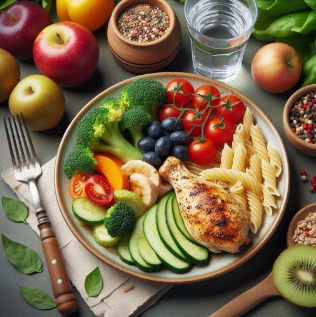
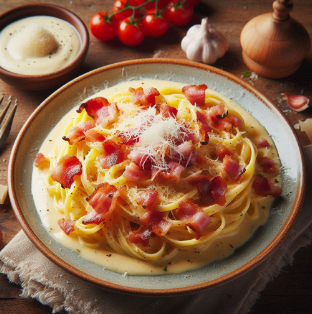
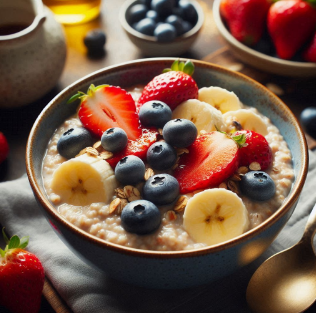

Read the article about the healthy eating plate by Harvard Medical School to check if your answer to the previous question was correct.
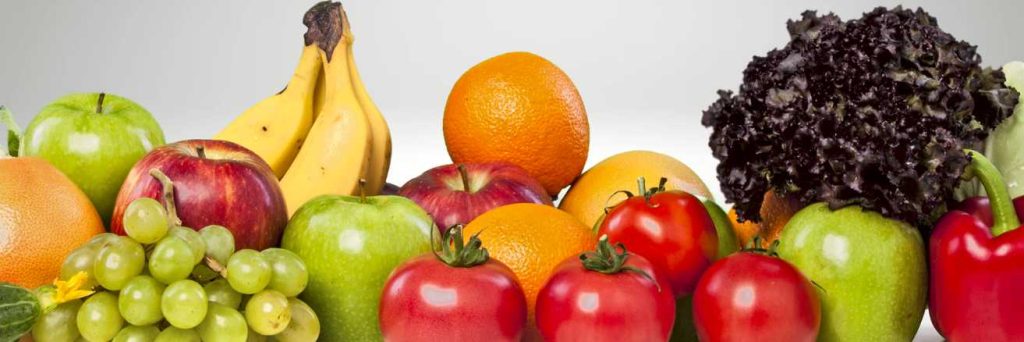
Healthy Eating Plate
Use the Healthy Eating Plate as a guide for creating healthy, balanced meals—whether served at the table or packed in a lunch box.
Building a Healthy and Balanced Diet
Make most of your meal vegetables and fruits – ½ of your plate.
Aim for color and variety, and remember that potatoes don’t count as vegetables on the Healthy Eating Plate because of their negative impact on blood sugar.
Go for whole grains – ¼ of your plate.
Whole and intact grains—whole wheat, barley, wheat berries, quinoa, oats, brown rice, and foods made with them, such as whole wheat pasta—have a milder effect on blood sugar and insulin than white bread, white rice, and other refined grains.
Protein power – ¼ of your plate.
Fish, poultry, beans, and nuts are all healthy, versatile protein sources—they can be mixed into salads, and pair well with vegetables on a plate. Limit red meat, and avoid processed meats such as bacon and sausage.
Healthy plant oils – in moderation.
Choose healthy vegetable oils like olive, canola, soy, corn, sunflower, peanut, and others, and avoid partially hydrogenated oils, which contain unhealthy trans fats. Remember that low-fat does not mean “healthy.”
Drink water, coffee, or tea.
Skip sugary drinks, limit milk and dairy products to one to two servings per day, and limit juice to a small glass per day.
Stay active.
Here is your reminder that staying active is also important in weight control.
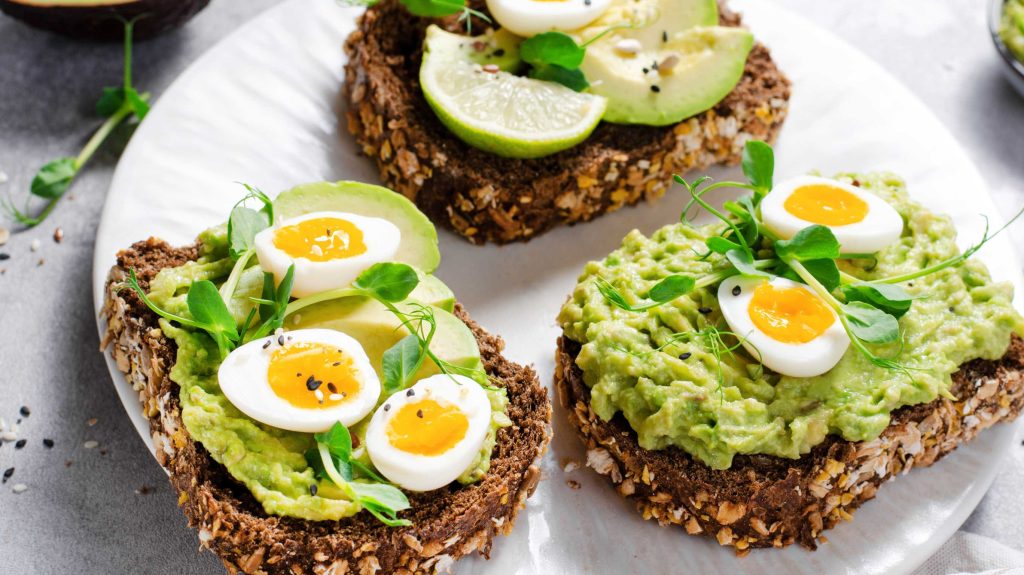
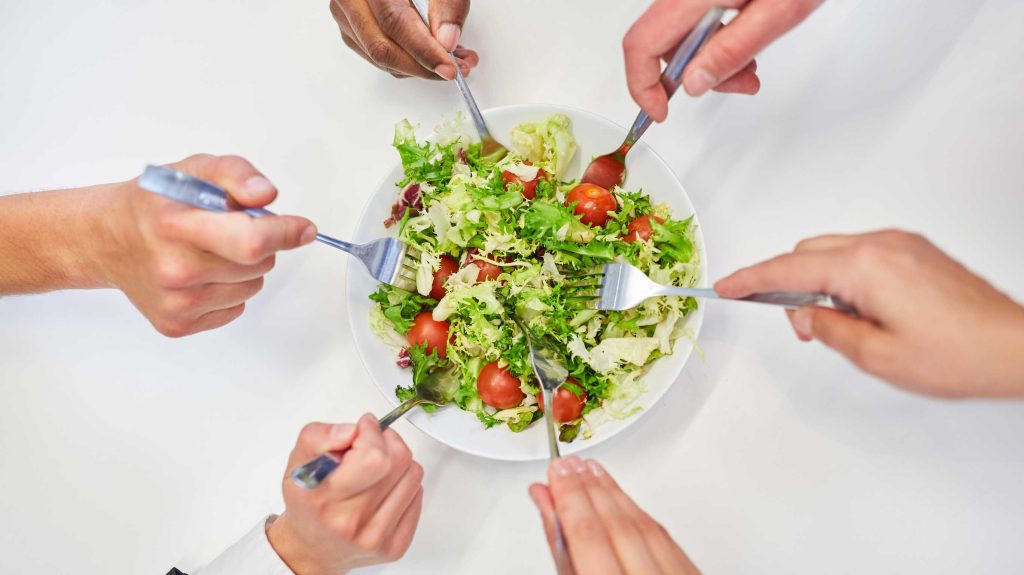
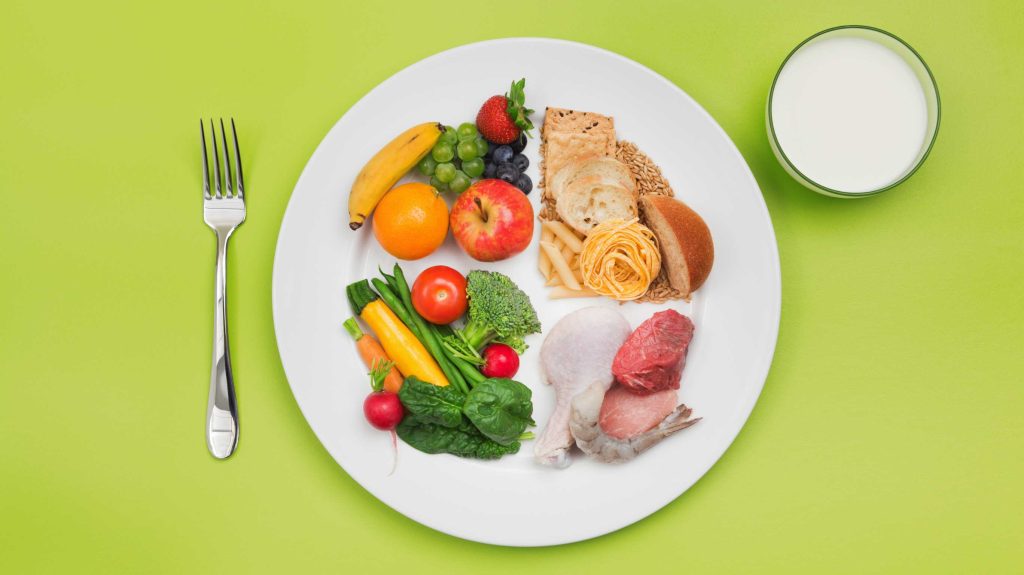
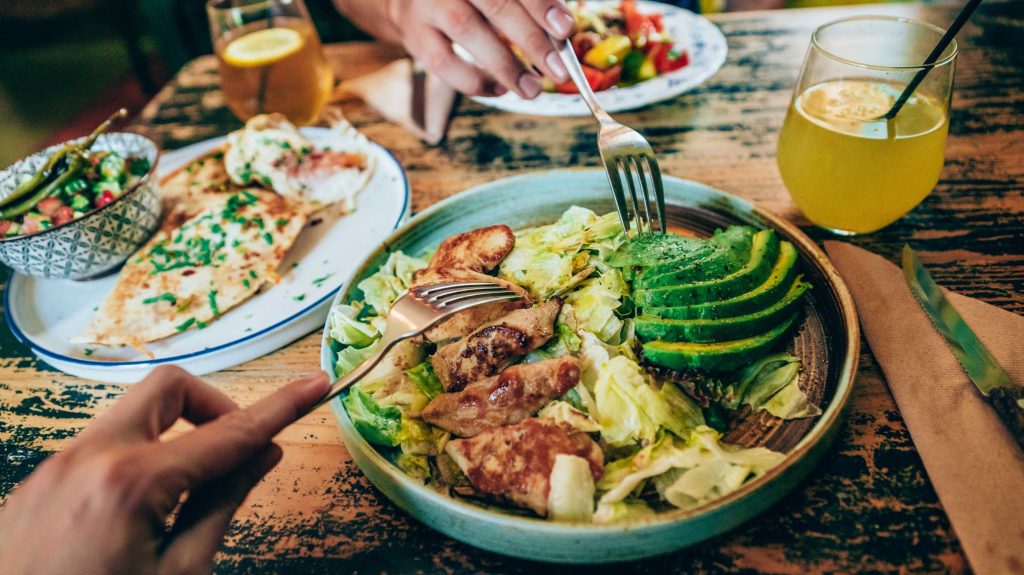
The main message of the Healthy Eating Plate is to focus on diet quality:
The type of carbohydrate in the diet is more important than the amount of carbohydrate in the diet, because some sources of carbohydrate—like vegetables (other than potatoes), fruits, whole grains, and beans — are healthier than others.
The Healthy Eating Plate also advises consumers to avoid sugary beverages, a major source of calories — usually with little nutritional value.
The Healthy Eating Plate encourages consumers to use healthy oils, and it does not set a maximum on the percentage of calories people should get each day from healthy sources of fat.

Name as many items as possible for each of the categories below. Try to remember the foods mentioned in the article and add your own examples.
- Vegetables and fruits: grapes, broccoli…
- Whole grains: oats, brown rice…
- Protein: chicken, tofu…
- Fats: butter, olive oil…

Let’s check if you know the names of different foods in English. Look at the picture and type the name of the food. Then click the button to check.

Learn the vocabulary and practice your pronunciation with the help of the flashcards.

Let’s practice your pronunciation. As you already know, a lot of English words have silent letters. Listen carefully to each word and repeat it a few times.
salmon
almond
lamb
raspberry
wheat
whisk
sandwich
yolk
receipt
knife
dough
crumb

Complete the sentences by dragging the words into the gaps.

Read the sentences with idioms related to food. Can you guess their meaning?
- A quiet evening with a good book is just my cup of tea.
- With his new job, he’s finally able to bring home the bacon and support his family.
- He has his finger in every pie at the company, from marketing to finance.
- I heard the rumor, but I’m taking it with a pinch of salt.
- He can’t resist desserts; he definitely has a sweet tooth.
- His plan to become a millionaire overnight is just pie in the sky.
- In a nutshell, the project was a success.
- She has a lot on her plate with work, school, and family obligations.
- He’s been walking on eggshells around his boss since the argument.
- The smartphone is the greatest thing since sliced bread.

Practice the idioms using the flashcards.